
On Japanese Tourism
Value, Not Volume
Japan's tourism boom is a numbers story. Its future won't be.
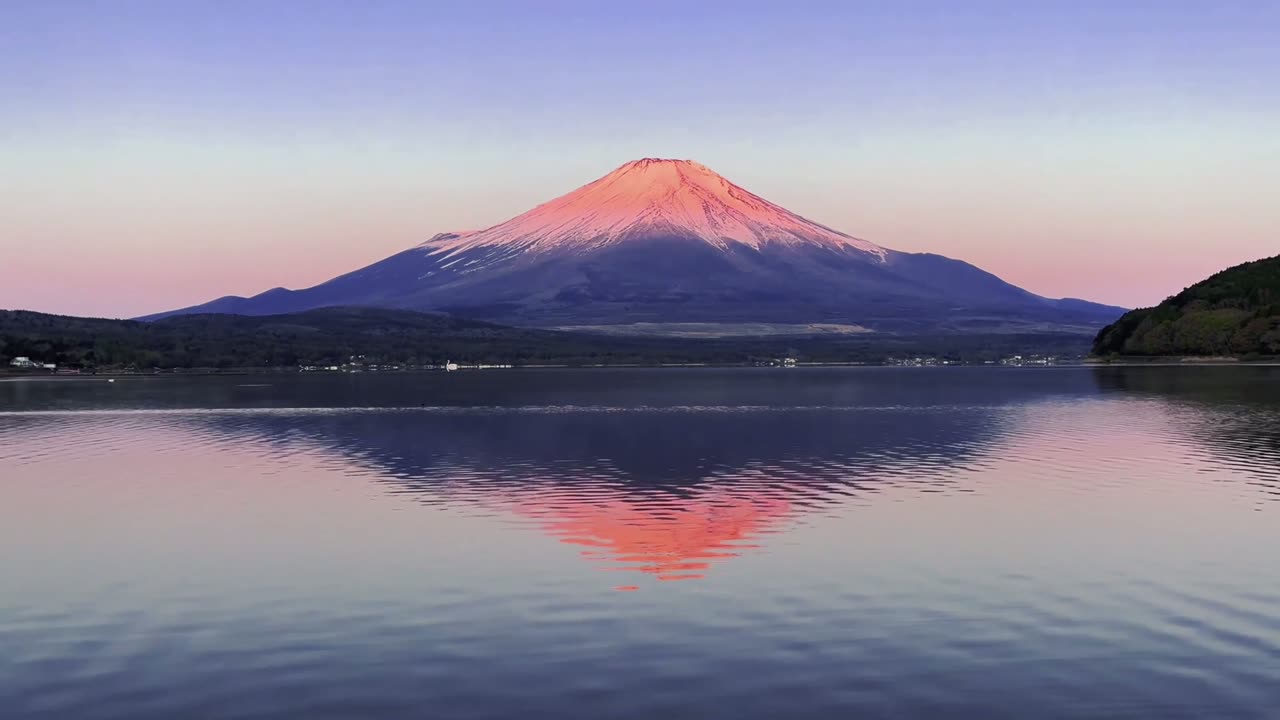
Japan's inbound travel has become its second-largest export industry, yet arrivals are already near their ceiling and visitors crowd into a handful of cities. The question that now decides the industry's future is not how many people come — it is how much value each visit creates. This is the case for building it around value rather than volume.
The boom, and what it hides
Counted as an export, spending by international visitors reached a record ¥8.1 trillion in 2024, according to figures compiled by the Japan National Tourism Organization and the Japan Tourism Agency. That places inbound travel behind only automobiles — roughly ¥17.7 trillion — and ahead of steel and electronic components. In an economy with a shrinking, ageing population, few sectors are growing faster, or matter more to the regions that most need new income.
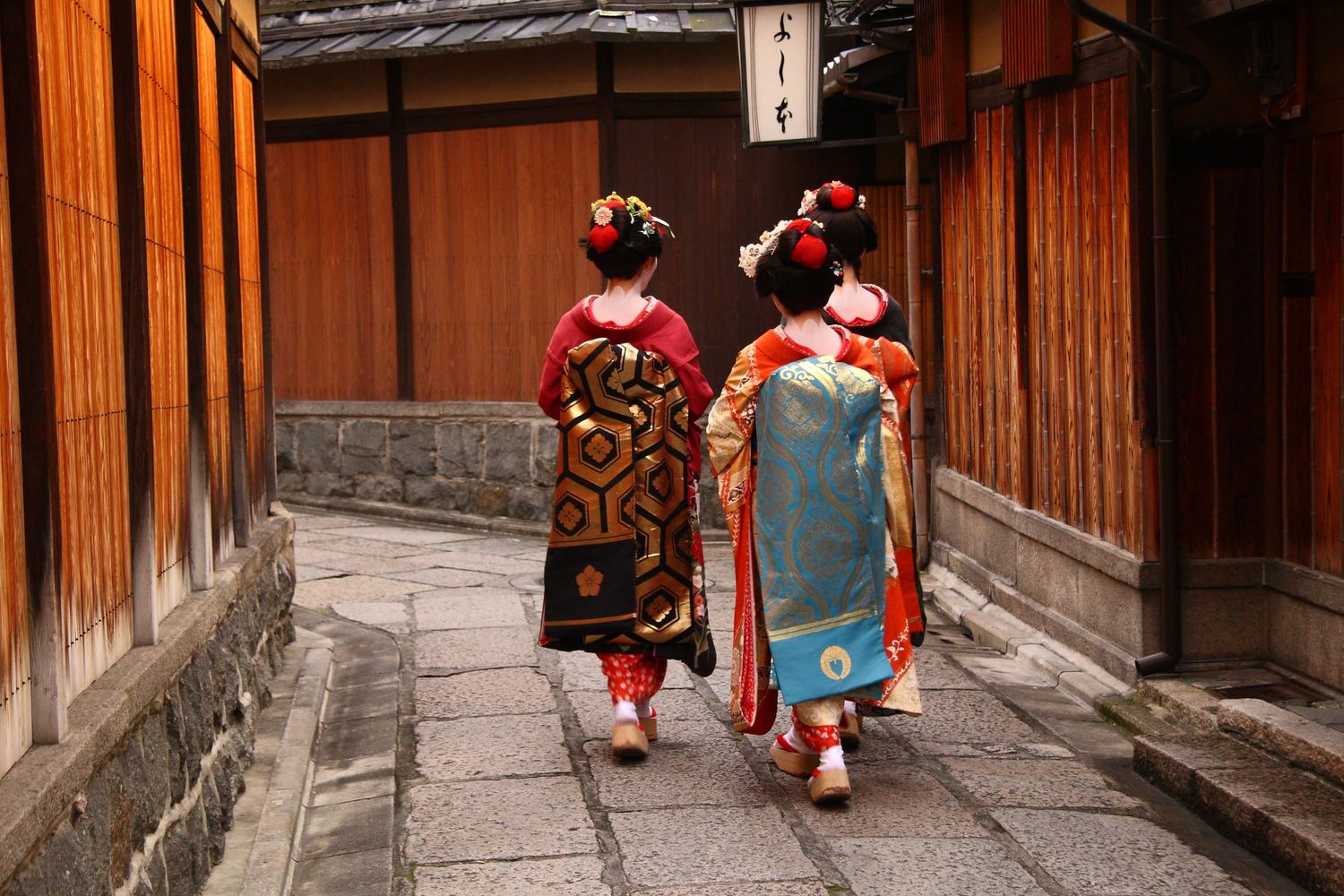
The headline hides a lopsided reality. Roughly 70% of visitors go only to the Tokyo, Osaka, and Nagoya metros, and about three-quarters of all overnight stays fall in just five prefectures — a concentration the World Economic Forum has flagged as a structural weakness rather than a strength. The pressure shows: Kyoto has moved to restrict tourist access to parts of Gion's private lanes, and Mount Fuji's most popular trail now runs under a climbing cap and fee.
There are only a few ways a visit can be worth more: a guest can stay longer, travel further than the crowded five prefectures, or pay for depth rather than count. Each of those is a choice about how a trip is designed — not about how many people are moved through it. And each becomes possible only when someone builds the day with care.
Arrivals are at record highs and bound to level off. When the number of visitors stops rising, the only figure that can still grow is the value each one leaves behind.
The trouble with volume
Much of inbound tourism has been won on volume and price: commoditised, look-alike day tours brokered through foreign platforms, filling the same streets at thin margins. A coach pulls up to a famous gate. Everyone takes the same photograph from the same spot. Forty minutes later it moves to the next stop on the list. It is efficient, and it is forgettable.
It is also extractive. When a booking is brokered through a foreign platform at the lowest advertised price, a large share of what the guest pays is taken in fees before it reaches anyone in Japan. To stay on the shelf, the operator competes the only way a commodity can — downward: a little less time with the guide, one more group in the day, a cheaper lunch stop that pays a kickback. Everyone in the chain is squeezed except the platform, and the guest, who paid for a day in Japan, is quietly given a thinner one.
The value leaks out — to the platform, not to the place.
That wears out the destinations everyone loves and returns little to the guides, drivers, and small businesses who actually host the experience. It is not a foundation an industry can build its future on — least of all one betting on tourism to sustain regional economies as its population shrinks.
A different unit of measurement
The alternative is not more marketing; it is a different unit of measurement. When a journey is designed well and delivered to a high standard, a single visit is worth more — to the traveller, to the local economy, and to the place itself.
Consider one morning, two ways. In the first, a coach reaches a famous shrine at eleven, with a thousand others; there is time for a photograph and a queue for the exit. In the second, a guide has you at the gate soon after it opens, when the gravel is still raked and the light is low; you walk out through a back lane to an eight-seat counter the guide has known for years, and the afternoon bends around a workshop you would never have found alone. Same city, same hours, same money — and only one of them is a day you will describe to people back home.
High value-add travel spreads demand to curated, lesser-known destinations. It eases the pressure on the crowded few. It leaves a greater share of value in the hands of the people who host it. This is the logic behind the private, unhurried journeys we design: fewer places, seen properly, in their own light and their own hours. It is not a smaller version of mass tourism. It is a different business entirely.

Why this depends on brands
That shift depends on brands. A strong brand competes on experience, trust, and craft; a commodity tour listed on a booking platform competes on price, and can compete on nothing else. Building recognisable, high value-add Japanese travel brands is how the industry moves up the value chain — and earns the standing Japan deserves as a destination.
A brand does something a listing cannot: it carries trust across a border. A traveller planning a trip from the other side of the world — or the advisor arranging it on their behalf — is committing to a standard they cannot inspect in advance. A name that has been held to that standard, again and again, is what makes it safe to pay for quality sight-unseen. That trust is also what holds the whole chain to account: when the day carries a brand's name, the guide, the driver, and the restaurant are part of something that has to be good, not merely cheap.
This is the harder path. It cannot be won by discounting, and it cannot be scaled by adding coaches. It is won one well-made day at a time: the lane one street back from the crowds, the eight-seat counter with no English menu, the temple garden in the quiet hour before the tour groups arrive, the neighbourhood a guide loves because they grew up there. These places do not reveal themselves on a schedule. They ask for a little time, and for someone who knows where — and when — to go.
What it asks of a guide
Value, in practice, is delivered by a person. In Japan that person is often a national government-licensed guide-interpreter (全国通訳案内士) — the country's formal qualification for the work, earned through a demanding state examination that tests not only language but history, geography, and culture across the whole of Japan. The licence is the floor, not the ceiling. What separates a good day from a forgettable one is a guide who reads the day as it unfolds: lingering where you are curious, moving on where you are not, and opening doors that were never in the guidebook.
That is the opposite of a scripted route timed to the minute. It is also, not incidentally, where the value stays local — with the guide, the small restaurant, the craftsperson whose work most visitors never see. A brand that competes on this cannot be copied by a cheaper listing, because the product is not a seat on a coach. It is judgement, access, and care, delivered one guest at a time.
How to tell the difference
For a traveller — or the advisor booking on their behalf — the difference between value and volume is visible before departure, if you know where to look. Ask who leads the day: a named, licensed guide who stays with you, or an anonymous rota assigned that morning. Ask whether the itinerary can flex to weather, mood, and pace, or whether it is fixed to the minute. Ask where the money goes: to local guides, drivers, and small establishments, or largely to a platform overseas. Ask whether the route ever leaves the places a coach can reach.
A volume trip is sold on how much it covers. A value trip is sold on how well it is made. The first is measured in stops; the second, in the quality of a single day. That distinction is the whole argument — and it is one a discerning traveller can feel by evening.
A word for the name
YURAGI is the Japanese word for a gentle, natural fluctuation: the flicker of a candle, the drift of a breeze, the sway of water on a lake. It describes the quiet, irregular rhythm that puts people at ease. It is also, we think, the rhythm the best travel keeps: never rushed, never locked to a rigid timetable, attentive to the moment in front of you.
Japan has few equals in what it can offer a traveller. Whether the country's places, people, and craft reach visitors at the level they deserve is not a matter of how many come. It is a matter of how well each visit is made. That is the argument for value over volume — and the standard the next chapter of Japanese tourism will be judged by.
Sources — Japan National Tourism Organization, inbound statistics: https://statistics.jnto.go.jp/en/. Japan Tourism Agency (MLIT): https://www.mlit.go.jp/kankocho/en/. World Economic Forum: https://www.weforum.org/. Nippon.com: https://www.nippon.com/en/. Headline figures reflect 2024 (inbound spending ¥8.1 trillion; 36.9M visitors) and are updated as new data is published.