
YURAGI creates private, unhurried journeys across Japan — led by local guides, built around the places, food, and culture most visitors never reach.
YURAGI is the Japanese word for a gentle, natural fluctuation: the flicker of a candle, the drift of a breeze, the sway of water on a lake. In Japan it describes the quiet, irregular rhythm that puts people at ease.
We named our travel brand after it because that is how travel should feel — never rushed, never locked to a rigid timetable, always attentive to the moment in front of you.
Most travel in Japan moves fast and stays on the surface. A coach pulls up to a famous gate; everyone takes the same photograph from the same spot; forty minutes later it moves on to the next stop on the list. The itinerary is full, the timing is tight, and by evening the days blur into one another. It is efficient. It is also forgettable.
The Japan worth crossing the world for is rarely found at that pace. It’s in the lane one street back from the crowds, the eight-seat counter with no English menu, the temple garden in the quiet hour before the tour groups arrive, the neighbourhood a guide loves because they grew up there. These places don’t reveal themselves on a schedule. They ask for a little time, and for someone who knows where — and when — to go.
That is the journey we build. Small, private groups, never a stranger’s timetable. A local guide who reads the day and adjusts to you — lingering where you’re curious, moving on where you’re not, opening doors that aren’t in the guidebook. Fewer places, seen properly, in their own light and their own hours.
Not a tour you pass through. A day that is genuinely yours.

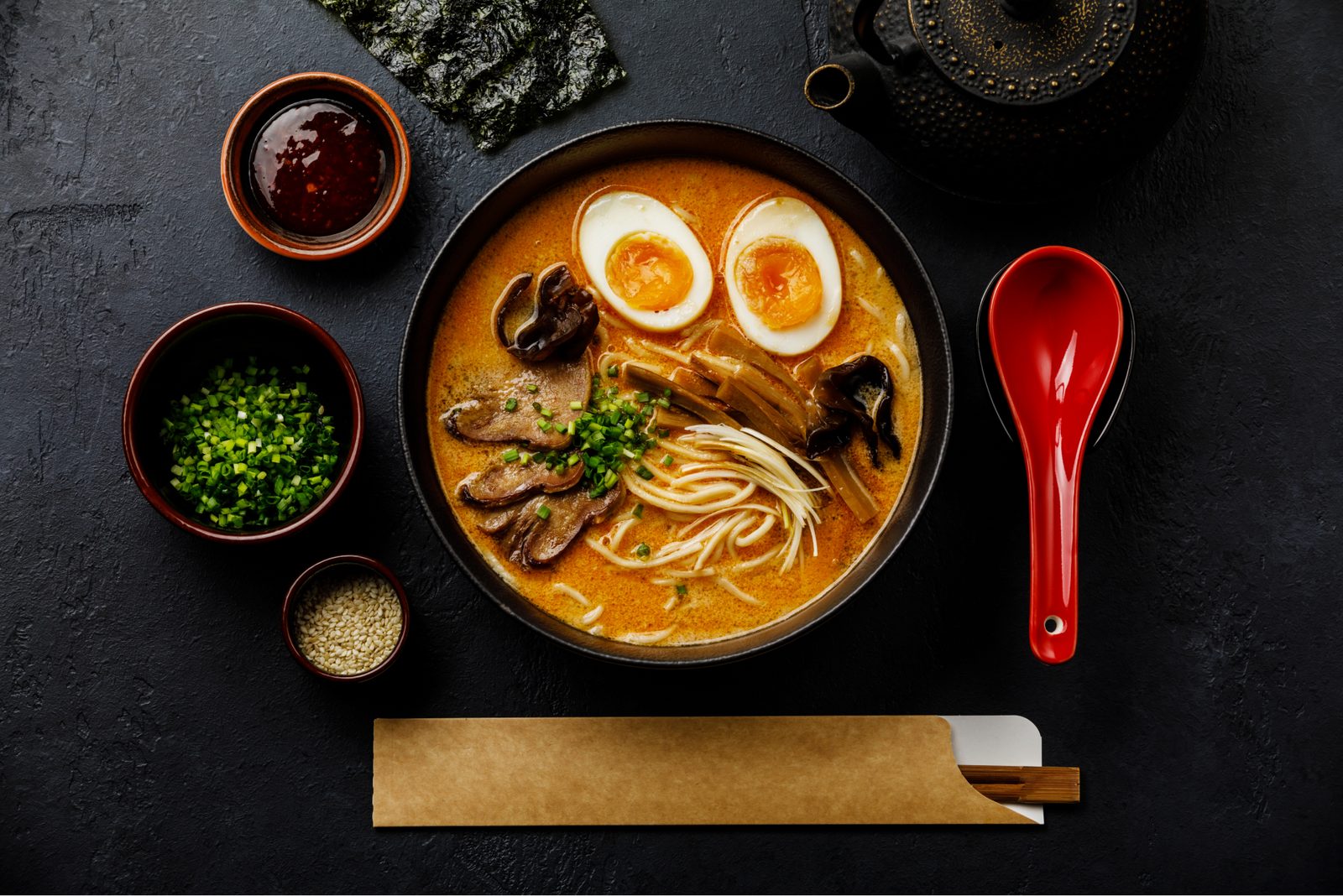
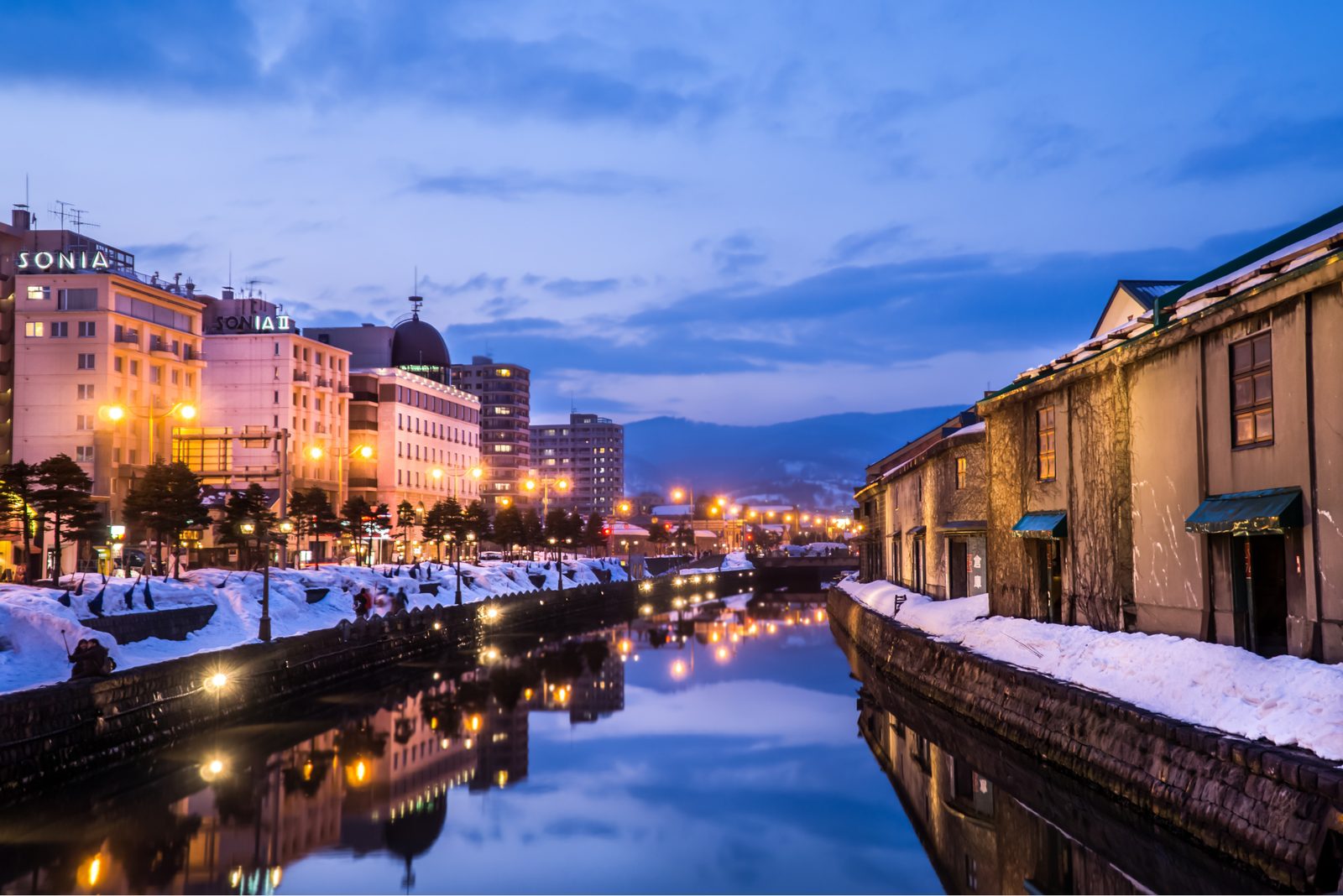
Japan has few equals in what it can offer a traveller. Yet its tourism industry has been slow to modernise — in technology, and in the systems and standards behind it. Too often, the country’s places, people, and craft have not reached visitors at the level they deserve.
We built YURAGI to change that: to design and manage every journey end to end, and to hold its quality to the standard the world’s most discerning travellers expect. That is how the true value of Japan reaches the people who travel here to experience it.
Haruto Asahina · Founder & CEO, Willverse Co., Ltd.
For Japan, tourism is no longer a side business. Counted as an export, spending by international visitors reached a record ¥8.1 trillion in 2024 — making inbound travel the country’s second-largest export industry, behind automobiles (about ¥17.7 trillion) and ahead of steel and electronic components. In an economy with a shrinking population, few sectors are growing faster or matter more.
Yet the numbers hide a lopsided reality. Roughly 70% of visitors go only to the Tokyo, Osaka, and Nagoya metros, and about three-quarters of all overnight stays fall in just five prefectures. With arrivals already at record highs and bound to level off, the question that decides the industry’s future is no longer how many people come — it is how much value each visit creates.
The deeper issue is how that growth has been won. Much of inbound tourism competes on volume and price — commoditised, look-alike day tours brokered through foreign platforms, filling the same streets at thin margins. It wears out the destinations everyone loves and returns little to the guides, drivers, and small businesses who actually host the experience. Volume is not the same as value — and it is not a foundation an industry can build its future on.
The path we believe in is the opposite: value, not volume. When a journey is designed well and delivered to a high standard, a single visit is worth more — to the traveller, to the local economy, and to the place itself. High value-add travel spreads demand to curated, lesser-known destinations, eases the pressure on the crowded few, and leaves a greater share of value in the hands of local communities.
That shift depends on brands. A strong brand competes on experience, trust, and craft rather than on price; a commodity tour listed on a booking platform cannot. Building recognisable, high value-add Japanese travel brands is how the industry moves up the value chain — and earns the standing Japan deserves as a destination.
That is why YURAGI exists as a high value-add brand, not a volume operator — to prove that value can lead, and to help move Japanese tourism in that direction.
Sources: JNTO / Travel Voice / Nippon.com (2024 inbound spending ¥8.1 trillion, 36.9M visitors) · World Economic Forum (regional concentration). Figures reflect 2024 and are updated as new data is published.